
AST Case Study: How Photo Documentation of Faults Boosted Service Sales
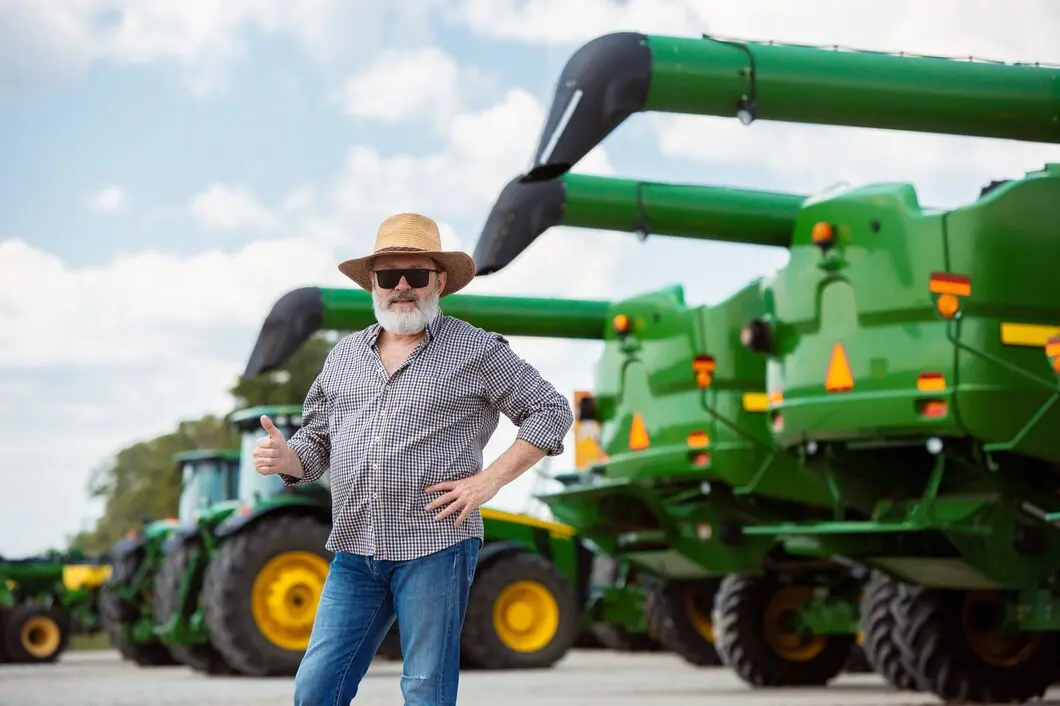
We have been working with Agro-Construction Technologies (AST) for more than five years. When we started, the AST team had one key goal: automate the processes of its service department to make the work more efficient. We recently spoke with Alexey Yatsenko, Head of Service at AST, to find out how Planado has changed the way the company works. He shared the results and described the key changes over this time.
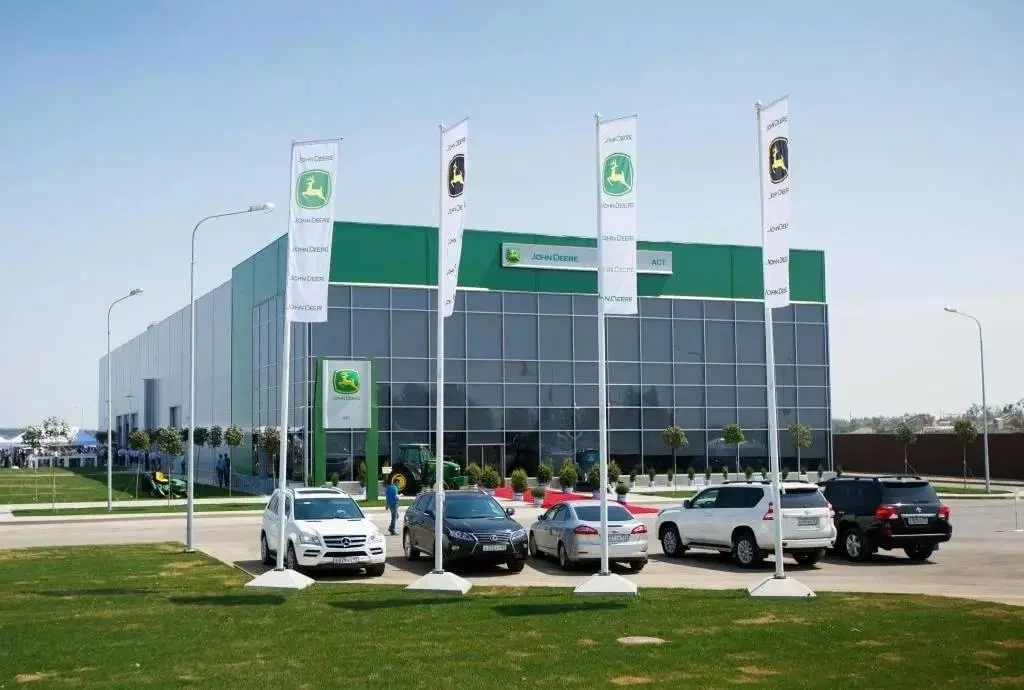
About the company
AST is one of the leading dealers and service providers for agricultural machinery in Russia:
- 2,500 customers
- 19 years on the market
- 20 branches
- 250 service engineers on the team
Core business areas:
- dealer sales of agricultural, construction and road machinery
- spare parts sales
- full-cycle service and maintenance
AST focuses on continuously improving its after-sales service and actively adopts digital tools to raise the quality of customer service.
Learn more about AST on the company website

Why did AST need a new automation system?
As the customer base and the number of service requests grew, employees became overloaded, and managing processes by hand started to hurt service quality. AST ran into the typical problems of a fast-scaling business.
The problems AST faced:
- Frequent errors in documentation. Information about completed work and the condition of the machinery was incomplete or incorrect. Service engineers handling a large fleet passed data on verbally and without any system. Managers had no dedicated tool for tracking work on customers' machinery either.
- Finding and updating data on the condition of a customer's machinery took too long.
- Management had no clear picture of the engineers' workload.

Goals of the automation project
- Speed up request processing
- Reduce the load on employees through automation
- Make the work more transparent for customers
- Automate customer communication (send notifications about detected faults).
Why Planado?
We chose Planado because the system solved our main problems right away. On top of that, the Planado team offered a rollout without complex integrations, so we could launch the project quickly. — Alexey Yatsenko, Head of Service

What happened after the rollout?
The company achieved all of its goals in a short time. Work order management was fully automated and now takes less time.
Lost and missing data is no longer a problem
Engineers now record all information about the machinery and the work performed in the mobile app. To close a job, the assignee has to fill in every required field, which guarantees complete and accurate data. Every machine an engineer works on is now photographed. Engineers take photos of the damage, and managers see them in the system right away. Managers can now find any information on completed or assigned jobs in the system in just one minute.
Management evened out the workload
Management now has data on employees' working time. Tracking became accurate because every stage of the work is recorded in the app: accepting the job, travelling to the site, starting and finishing the work. GPS tracking rules out cheating: a manager can always see where an employee was when the work started or ended.
Customer communication became transparent and fast
Automatic notifications made customer communication faster and more convenient. Customers receive updates as the work progresses and have access to up-to-date information about the condition of their machinery. This keeps them informed about every step and saves a lot of time.
The key takeaway: how did photo documentation boost sales?
To their own surprise (and ours), AST saw a tangible increase in sales. It came from automating the preparation of quotes: photos of faults from the job are now used to prepare offers for additional service work.
Why do photos in a quote matter so much?
During customer visits, engineers do more than complete the requested work or perform scheduled maintenance. They often find faults the customer never reported. When an engineer finds a fault, they tell the manager, who then contacts the customer to agree on diagnostics or repair. This process takes a long time, and customers do not always agree to the repair, even when the machine's operability is at risk.
The core problem is that the executives who decide on repairs sit in the office and do not see the real condition of the machinery. They receive a quote describing the required work and its cost, but often do not even know the fault exists. Meanwhile, the people operating the machine may not have noticed the fault or may not have reported it.
The main reason: the machinery works in the fields, while decisions are made in offices.
As a result, quotes were rarely approved, and AST managers had to persuade customers that the repair was necessary. Customers preferred to postpone repairs until the machine broke down completely or their own staff complained.
What changed?
Once the service department was automated, the quality and amount of information about the condition of the machinery improved significantly. Now, as soon as an engineer finds a fault, they enter a detailed description of the problem in the app together with photos. This makes it possible to put a quote together almost automatically.

See how Planado works with your team
Check out how the service can help you organize the work of your field employees.
Try for free