
Property Management App for Residential Property and Small Teams

Managing residential properties often means handling everything yourself. Tasks, reminders, tenant requests, and small fixes arrive throughout the day, usually mixed with messages and notes. A property management app becomes relevant when this daily load starts to blur together and nothing feels fully under control. Many landlords and small teams rely on spreadsheets and chats at first, but a property management app is often the first step toward keeping work in one place. For those using property management software for small landlords, the goal is rarely complexity — it is clarity.
As portfolios grow, even slightly, details become easier to miss. A reminder is forgotten, a message is buried, or a task is written down twice in different places. Over time, spreadsheets and messaging apps stop working as a system. Information spreads out, and managing homes starts to feel heavier than it should.
What most small residential teams look for is simple. A mobile tool that keeps tasks, notes, and updates together, without turning everyday management into a process-heavy routine. A property management app fits this need by focusing on organization and visibility rather than features designed for large operations.
Why Do Landlords and Small Teams Need a Property Management App?
Even with a small number of homes, day-to-day management is rarely simple. Tasks overlap, messages come from different directions, and small issues demand quick decisions. A property management app becomes necessary when keeping everything “in your head” stops working. Missed reminders, forgotten agreements, or duplicated notes are usually the first signs that the workload has outgrown informal control.
A property management app brings these moving parts together. Unlike another spreadsheet, it reflects how work actually happens — tasks change status, notes are updated, and priorities shift. For small residential teams, this shared, up-to-date view helps reduce errors and keeps daily management predictable instead of reactive.
How Does a Property Management App Simplify Residential Property Management?
Residential property management becomes easier when the focus stays on everyday actions, not on building complex systems. A property management app simplifies work by reducing the number of steps needed to stay organized. Instead of switching between notes, chats, and reminders, you work in one place where tasks reflect what actually needs to be done.
Home management software is useful when it replaces small, disconnected solutions rather than adding another layer. Tasks, comments, and updates stay linked, so you do not have to reconstruct context each time something changes. This approach favors clarity over automation for its own sake. You manage homes through tasks — what needs attention now, what is waiting, and what is already resolved.
For landlords and small teams, this task-first structure feels more natural than rigid processes. Tools like Planado are designed to keep everyday residential management simple without introducing unnecessary complexity.
How a Property Management App Replaces Spreadsheets and Messaging Apps
Spreadsheets often start as a quick fix, but they do not hold up once daily management becomes repetitive. Files get copied, versions drift apart, and updates depend on someone remembering to change a cell. Over time, it becomes unclear which list reflects the real situation.
Messaging apps create a different problem. Questions, confirmations, and follow-ups are scattered across chats and disappear as new messages arrive. There is no clear history of what was done, by whom, or why a decision was made.
A property management app replaces both by giving landlords one working space focused on actions. Tasks, notes, and updates live together, forming a continuous record of work. Property management software for landlords keeps everyday decisions visible instead of buried in files or conversations.
How Does Property Management Software for Small Landlords Support Daily Operations?
Small landlords and compact teams spend most of their time on routine issues rather than big projects. A leaking tap, a tenant question, a missed check, or a follow-up after a visit can easily fill the day. Property management software for small landlords is useful when it helps keep these small tasks from slipping through the cracks.
Instead of relying on memory or scattered notes, everyday work is captured as simple actions that can be checked, postponed, or completed. Reminders replace mental to-do lists, and updates stay in one place. This creates order without turning daily management into a formal process.
Property management software for small business works best when it fits naturally into how work already happens. Planado supports this by letting landlords track tasks and updates as part of their normal routine, without setup phases, training sessions, or changes to how they manage properties day to day.
How Does a Property Management Mobile App Support On-the-Go Management?
Managing residential properties rarely happens at a desk. Questions come up during site visits, while traveling between homes, or in short gaps between other responsibilities. A property management mobile app makes it possible to handle these moments without waiting to get back to a computer.
From a phone, you can check open tasks, review notes from previous visits, or confirm what still needs attention. Property management software with mobile app access keeps this information available where decisions are actually made, not just where reports are stored. Updates can be viewed and added as situations change, instead of being remembered and recorded later.
For small teams and landlords, mobility matters more than advanced features. Being able to see the current state of work at a glance helps keep management moving forward, even when time and attention are limited.
How Does Home Management Software Centralize Tasks, Notes, and Updates in One Place?
Notes, reminders, and updates often end up scattered across notebooks, message threads, and separate files. Over time, this makes it hard to remember why a task was created, what was already discussed, or what has changed since the last check. Home management software addresses this by bringing all related information into one shared space.
Tasks stay connected to comments, follow-ups, and simple status changes, so context does not get lost. When something is updated, there is a visible trace of what happened and when, without digging through old messages. This makes everyday management calmer and more predictable.
Planado is an example of this centralized approach done without overload. It keeps tasks, notes, and updates together in a way that supports daily use, rather than adding layers of structure that small teams do not need.
Explore how a property management app can simplify everyday residential property management without adding complexity.
How Residential Property Maintenance Tools Fit Into Daily Management
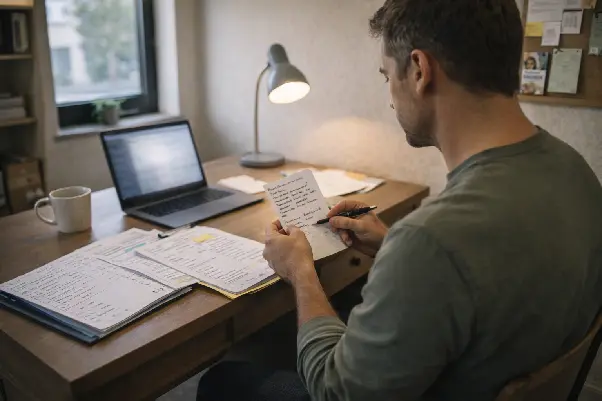
Residential property maintenance rarely follows formal processes. Small repairs, follow-ups, and recurring issues appear as part of everyday management, not as separate maintenance projects. Residential property maintenance software fits into this reality by treating upkeep as a set of practical tasks rather than a complex system.
Instead of setting up dedicated maintenance workflows, issues can be logged, tracked, and resolved in the same way as other daily responsibilities. A loose cabinet, a leaking tap, or a broken light becomes a task with context, not a ticket that needs routing. Home maintenance management software supports this lightweight approach by keeping repairs visible without adding extra steps.
This makes maintenance easier to handle alongside other duties. Problems are recorded when they appear, addressed when time allows, and closed without disrupting the rest of the workday.
How to Choose Property Management Software for Small Residential Teams
Choosing property management software for small landlords often comes down to how clearly it fits into everyday work. A long feature list may look impressive, but tools that try to cover everything at once can slow you down. What matters more is whether the software helps you stay organized without changing how you already manage your properties.
Ease of use should come first. If tasks, notes, and updates require setup, training, or constant adjustments, the system quickly becomes a burden. Property management software for small landlords works best when you can start using it immediately and build structure as you go, not the other way around.
It is also worth thinking ahead. Even small portfolios tend to grow, and management becomes more demanding over time. The right tool supports this growth quietly, allowing you to add properties and responsibilities without switching systems or rebuilding your workflow
Get Started With Planado Property Management App
Planado is designed for residential property work where tools need to stay out of the way. Instead of adding layers of setup, it gives you a single place to keep tasks, notes, and small updates that usually end up scattered. Day-to-day management stays task-driven: you see what still needs attention, what is waiting, and what has already been handled, without turning routine work into a formal system.
Using Planado as property management software with a mobile app also changes how management fits into the day. You can open the app to check a task, leave a note, or react to an issue in a spare moment, not only when you are at a computer. For landlords and small teams who juggle property work with other responsibilities, this makes management easier to keep up with rather than something that constantly falls behind.
Instead of adapting your workflow to the software, Planado adapts to how residential management actually happens.
Start a free trial of Planado and manage your residential properties using a simple, mobile-first property management app.
FAQs
What is a property management app used for in residential property management?
A property management app is used to keep everyday property matters from slipping through the cracks. It helps you remember what needs to be done, where, and when — whether that’s a follow-up, a note about a unit, or an unresolved issue. For residential management, it replaces scattered notes and mental checklists with one clear view of ongoing work.
Is property management software suitable for small landlords?
It can be, if the software is designed with small-scale use in mind. Many landlords manage properties alongside other responsibilities, so tools that reduce mental load are often more useful than feature-heavy systems. In this context, software helps create order without forcing you to work like a large property company.
How does a mobile property management app help manage homes on the go?
A mobile property management app allows you to check tasks, leave notes, or review updates from your phone. This is useful when property issues come up between meetings, visits, or other responsibilities. Instead of waiting to update records later, information is captured when it is still fresh and relevant.
Can residential property management software handle basic maintenance tasks?
Yes, it can handle everyday maintenance at a practical level. Issues can be logged, followed up, and marked as resolved without formal workflows or separate systems. This makes it easier to keep track of small repairs and routine fixes as part of normal property management.
How does Planado support landlords and small residential teams?
Planado is designed to support residential management without adding operational overhead. It gives landlords and small teams a single place to track tasks, notes, and updates related to their properties. If you want a clearer way to manage homes day to day, you can try Planado and see how it fits into your routine.
.![][image16]
